Most flowers need about 1 inch of water per week. They want six or more hours of direct sun. Loose, well-draining soil keeps roots happy too.
Get those three right and feeding becomes simple. This flower care and growing guide walks you through each one. You’ll learn what to check, when to adjust, and how to rescue struggling plants. No guesswork required.
Before You Start: The Flower Care Checklist
Grab these before you plant or troubleshoot anything. You’ll thank yourself later.
- Soil test kit: know your pH and nutrient baseline first
- Watering can or soaker hose: soaker hoses keep foliage dry and cut disease
- Sharp bypass pruners: for deadheading, pruning, and cutting back spent growth
- Balanced fertiliser: a 10-10-10 blend for growth, a bloom formula for buds
- Organic mulch: two to three inches holds moisture and blocks weeds
- Gloves and eye protection: a must when you handle fertiliser or prickly stems
- USDA hardiness zone map: check your zone before buying perennials
Flower Care at a Glance
Here’s the short version. Scan the table, then dig into the details below.
| Care Factor | Target Range | Warning Sign |
|---|---|---|
| Light | 6 to 8 hours of direct sun | Leggy stems, few blooms |
| Water | 1 inch weekly; containers daily in summer | Wilting, yellow lower leaves |
| Soil pH | 6.0 to 7.0 for most flowers | Poor growth despite feeding |
| Feeding | Balanced feed every 2 to 4 weeks | Burnt leaf tips, no flowers |
| Temperature | Match your USDA zone | Bud drop, blackened foliage |
Zone note: Perennials rated for your zone survive winter. Annuals ignore zones completely. In Zone 8 or warmer, pick heat-tolerant varieties. Plan for afternoon shade too.
Light and Placement
The amount of light influences flower production.
Most flowers require six hours of direct sunlight. Many flowers flourish best with eight or more.
In the northern hemisphere, the sun shines strongest from south. East-facing garden beds get gentle warmth from the morning sun. That suitable flower begin to scorch by afternoon
Examine your garden three times within a day. Check morning, noon and late afternoon. Make note of the areas that are full-sun, part-sun, or full-shade. A Radiant 9 a.m. term may sit in hue by couple p.m.
Lily Flower
Lilies prefer full to partial sunlight. They require soil that provides good drainage. Bulbs will decay quickly with wet feet.
Plant bulbs at a depth of six to eight inches in the fall. Let the flower head reach the sun, keep the base shaded. In warm areas, afternoon shade benefits each bloom for days.
Limited light is indicated by elongated stems and sparse flowers. Relocate the plant or reduce upper foliage. Brown, crispy spots indicate overexposure to sun. Either provide some shading or relocate.
Watering and Humidity
Garden beds require approximately an inch of water each week. It adds up both rain and irrigation. Containers can dry out quickly and may require water every day during summer.
Inspect the topmost one to two inches of soil. Water as soon it feels dry to the touch. Most watering mistakes can be avoided by that one habit.
Drink Water Before 10 am The leaves dry before evening which cuts fungal disease. Water later in the day, preferably late afternoon. Allow the paint to dry for two to three hours before the night.
No Leaves Please. Aim your stream at the soil line instead.
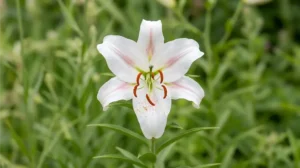
Lily Flower.
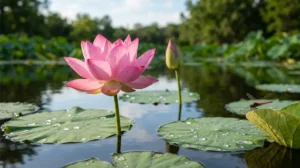
Lotus is a water plant grown in stagnant water with a preference for a sunny position. Maintain constant water levels throughout the season. Keep the soil consistently moist at all times.
Cultivating lotus in a pot? Refill the water every few days. Fertilize every 20 days using a water-soluble formula during active growth.
Adapting to Seasonal Changes
The demand for water is seasonal. Young springs plants drink less than mature midsummer. A week that is hot, dry, and breezy may require 2 deep soaks on your lawn.
For perennials that go dormant, cut back in winter. Crown rot occurs due to overwatering plants. This is one of the common reasons for flowers dying.
Indoor flowers struggle when the heating is switched on. All pots can be grouped together or placed on a pebble tray. Low humidity often blamed for buds that drop before opening.
Soil, Potting and Feeding
The best soil is loamy soil. It plays equal part of sand, silt and clay. Water is drained, but nutrients remain.
Sandy soil quickly drains nutrients. Waterlogging reduces oxygen for roots in clay. Add compost to both before you plant anything.
First check your pH. The majority of flowers like 6.0 to 7.0. Plants starve and nutrients become locked outside that range. A cheap test kit eliminates guess work for an entire season.
Flowering Tulip.
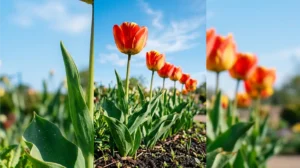
A cool climate and well-drained soil are ideal. The ground is so heavy and wet that it rots the bulbs. In autumn, plant them six inches deep and in full sun.
In climates warmer than USDA zone 7, pre-chill bulbs for six to eight weeks. Chill it, then plant it. Or just treat them as annuals and replant every year.
Fertiliser Schedule
Feed when plants actively grow. Skip feeding during dormancy.
- New plantings: mix slow-release fertiliser into the soil at planting time
- Established beds: balanced feed every four to six weeks in season
- Containers: water-soluble feed every two weeks, since watering washes nutrients out
- Bulbs: feed at shoot emergence and again after flowering
Ease off high-nitrogen food once buds appear. Nitrogen pushes leaves at the expense of flowers. Switch to a bloom formula when you spot the first buds.
Pruning, Propagation and Repotting
Giving extra time to bloom Prune the spent flower returning to its base. Make the cut just above a leaf node.
It diverts energy from seed-making to producing new flowers. Avoid it for plants that easily self-seed such as poppies and cosmos. You desire them to drop seeds.
Cut plants to shape them, remove any incorrect wood, and allow airflow through. Between each plant wipe your pruners with rubbing alcohol. Prevents transmission of illness.
Prune flowering shrubs right after the bloom cycle is over. If you prune too late you will take off next year’s buds.
Daisy Flower.
Daisies like deadheading and division. You should divide clumps every two or three years in spring or fall. Crowded clumps bloom lesser and decline faster.
The signal is bare centres with cut wood. It is time to divide that plant. You can separate and replant the healthy sections from the clump.
The flower determines its propagation. Stem cuttings suitable for tender perennials. Clump-forming plants can be divided. Seeds are the cheapest but take the longest.
Delay full sunlight exposure to new starts until roots form. Then it’s time to harden them off, gradually over a week or two.
When container flowers begin to reveal roots, repot them. Go up a size and use fresh mix. Water adequately after repotting.
Common Problems and Fixes
Yellow leaves at the bottom usually mean too much water. Soil inspection before pouring is essential. Add perlite or compost to improve drainage
Why are there no flowers on my plant? Excess nitrogen, insufficient light, or poor timing for pruning. Change to a bloom feed and measure your sun hours.
Flower buds dropping before opening? Temperature fluctuations, dry air, or inconsistent watering are to blame. Slowly adjust new plants, preventing moisture fluctuations.
Poor air circulation and wet leaves are the causes of powdery mildew disease among plants.
Watered at the base and slender crowding plants. If it spreads, use a fungicide.
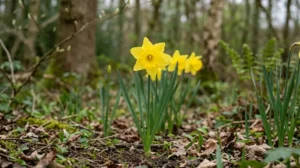
Jonquil flower
Daffodils are poisonous if eaten by pets and humans. Lycorine is present in the bulb. It causes the vomiting and diarrhea.
On handling bulbs, wear gloves. Keep them away from kids and pets. Keep spare light bulbs locked in a cupboard.
After daffodils bloom, allow the foliage to yellow and die back. Don’t prematurely sever it. The bulb will be fed next spring by those leaves.
Pests to Maintain Vigilance Over.
Aphids gather on young shoots to feed on sap. You can water them off or spray with insecticidal soap.
Spider mites like dryer air and hot weather. They leave dotted, specked leaves behind. Increase humidity and use neem oil as treatment.
Slugs and snails create holes at night. Either set beer traps or place pellets safe for pets. Look under pots and mulch during the day.
Plants That Are Toxic To Pets.
Many common flowers are toxic to cats and dogs. The list includes hydrangeas, tulips, daffodils, and lilies.
The following types of flowers are pet-friendly: roses, sunflowers, gerbera daisies, orchids, snapdragons. ASPCA plant safety database must check every time you buy.
Wondering if your pet ate something harmful? Contact your veterinarian immediately. Do not wait for symptoms to appear Make sure to bring the label or a photo to identify it.
Fertilisers and pesticides pose their own danger. Always store your valuables out of reach and wear gloves while handling them. Under no circumstance shall AAA be utilized instead of BBB or CCC.
When pollinators are out, do not spray pesticides on blooms. The Bees That Help Your Garden Will Get Wiped Out.
What you can do for healthier flowers.
Have your soil tested this week. Next, carry out a quick inspection of your beds. Based on the two answers, you know what your flowers need.
Create a Basic Feeding Schedule and Stick to It If your plants are already in trouble, work through the problem list first. Only use harsh chemicals as a last resort.
Looking for more info? Refer to our guide to water flowers in containers! You can also get our seasonal flower garden calendar giving month-by-month tasks.
Before you start
Tick these off as you gather them, nothing here is specialised. Most items are already in a typical garden shed.
0 of 7 ready · Ticks are for this visit only and aren't saved.
Do not use any pesticide on open blooms during daylight hours. Pollinators including honeybees, bumblebees, and butterflies will land on treated flowers and die within minutes. If you must treat, apply at dusk after pollinators have returned to their nests, and never spray on windy days. Keep all fertilisers and pest products locked away from children and pets.
Common questions
How often should I water flowers?
Most garden flowers need about one inch of water weekly. That counts rain and irrigation together. Containers dry out faster, so check them daily in summer. Push a finger into the top inch of soil. Water when it feels dry, ideally in the morning.
What is the best soil for flowers?
Loamy soil wins for most flowers. It drains well while holding moisture and nutrients. Sandy soil dries out too fast. Clay soil stays soggy and smothers roots. Mix in plenty of compost before planting, and test your pH to confirm it sits between 6.0 and 7.0.
How much sunlight do flowers need?
Most flowering plants want at least six hours of direct sun daily. Sunflowers and zinnias want eight or more. Shade lovers like impatiens and begonias manage with three to four hours of filtered light. Match your plant to the light your garden truly gets.
How do I fertilise my flowers?
Use a balanced fertiliser every four to six weeks in the growing season. Feed container flowers every two weeks with a water-soluble blend. Switch to a bloom formula when buds appear. Stop feeding once plants go dormant. Too much food burns leaves and cuts flower count.
Why are my flowers falling off early?
Sudden temperature shifts, dry air, and uneven watering all cause bud drop. Low phosphorus or potassium plays a role too. Acclimatise new plants over a week. Keep soil moisture steady. Switch to a bloom feed once buds form, and check for pests on stems.
What flowers are safe for pets?
Roses, sunflowers, gerbera daisies, orchids, snapdragons, and marigolds are generally safe for cats and dogs. Check the ASPCA plant database before bringing anything new home. Lilies, daffodils, tulips, and hydrangeas are harmful and belong out of reach.
Was this article useful?
3 comments
Leave a comment
Corrections and model-specific notes are especially welcome.
Comment submitted
Thanks — it'll appear once a moderator has had a look, usually within a working day.
The quick-reference table at the top is exactly what I needed. Saved it to my phone for the garden centre.
ReplyI've been overwatering my containers for years. The "check the top inch of soil" tip finally made it click for me. Thank you.
Replydoes the feeding schedule change for balcony flowers in a really hot climate? Mine fry every August.?
Reply