Choosing carpet runners wool rugs means choosing the premium lane. Wool costs more than any synthetic, cleans with more fuss, and rewards you with decades of service. This guide shows when wool earns its price in a hallway and when a blend or synthetic serves you better.
You’ll learn how wool fiber behaves under daily foot traffic. You’ll see which weaves suit runners, how to size narrow and extra-long halls, and what fair prices look like. We compared published specifications across materials, sizes, and prices so you can invest with your eyes open.
Before You Start
Tick these off as you gather them, nothing here is specialised.
- Steel tape measure
- Hallway width at the narrowest point
- Hallway length along the walking path
- Door clearance check for pile height
- Note of pets, kids, and allergy needs
- Your priority: longevity, softness, or easy cleaning
- Budget, including a quality rug pad and pro cleaning
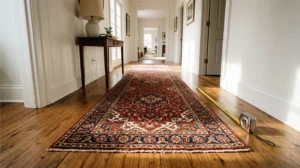
Key Takeaways
- Wool outlasts synthetics when you care for it properly.
- Lanolin gives natural stain resistance, but blot spills fast.
- Low, dense pile suits hallways better than plush pile.
- Wool hates soaking: never machine wash or use hot water.
- Wool blends cut cost while keeping most benefits.
- Budget 3 to 5 times the price of a synthetic runner.
Quick Picks: Best Carpet Runners Wool Rugs by Need
Wool runners aren’t one product. Hand-knotted wool is an heirloom. Machine-made wool blends are workhorses. Flatweave wool is the hallway specialist. Match the construction to the traffic and you’ll get wool’s benefits without paying for qualities you don’t need.
Best Overall
A dense, low-pile machine-made wool runner is the best overall carpet runner wool rug for hallways. It balances wool’s resilience and natural stain resistance with a price below hand-knotted pieces. Pick 2.5′ × 8′ (76 × 244 cm) or 2.5′ × 10′ (76 × 305 cm) in a medium-tone pattern. The tight weave handles daily traffic and vacuums easily.
Best Value
A wool-blend runner (typically 80% wool, 20% nylon or similar) gives the best value. The blend keeps wool’s bounce and warmth while the synthetic fiber adds stain resistance and cuts cost. These runners suit busy family hallways where pure wool would feel too precious. Expect to pay roughly half the price of comparable pure wool.
| Need | Buy this | Why it works | Skip this |
|---|---|---|---|
| Formal hallway | Hand-knotted wool | Heirloom looks, decades of wear | Thin machine-made wool |
| Family hallway | Wool blend | Tough, easier stain care | Pure white wool |
| Bedroom landing | Plush wool pile | Soft under bare feet | Coarse flatweave |
| Pet home | Dark wool blend | Hides hair and dirt | Light solid wool |
| Budget stretch | Wool-look synthetic | Style without the upkeep | Cheap thin wool |
Sizing and Measuring Guide
Wool runners come in the same stock widths as synthetics. That is 2 ft, 2.5 ft, and 3 ft (61, 76, and 91 cm). Lengths run 6 to 14 ft (183 to 427 cm), with custom weavers going longer. Because wool costs more per foot, measuring right matters twice as much. A mis-sized wool runner is an expensive mistake.
Wool Carpet Runners
Wool carpet runners suit hallways, stairs, and bedroom landings where comfort matters. fibers spring back from compression, so the runner keeps its texture under daily feet. In damp entries, though, wool absorbs moisture from wet shoes and dries slowly. Reserve pure wool for interior halls, not the doorway that meets the rain.
How to Measure Your Space for Carpet Runners Wool Rugs
Measure once for the space, then once more for the doors.
- Measure width at the narrowest point. Subtract 8 to 10 inches (20 to 25 cm) for visible floor on each side. Wool looks best with a generous floor border.
- Measure length along the walking path. Subtract 12 to 18 inches (30 to 46 cm) at each end. The runner should never touch walls or thresholds.
- Check door clearance. Wool pile runs thicker than flat synthetics. Open every door over the path and confirm it clears the pile height.
- Consider the stairs. For stair runners, measure tread plus riser per step and add the top landing. Wool stair runners need professional installation.
- Order a touch long if custom. Custom wool weavers cut to the inch. Add 2 inches (5 cm) so a fitter can trim on site.
A 2.5′ × 10′ (76 × 305 cm) wool runner fits most standard hallways. For corridors over 14 ft (427 cm), custom lengths avoid the seamed look of two runners. RugKnots explains how wool blend rugs balance natural benefits with extra resilience.
Materials and Quality Markers
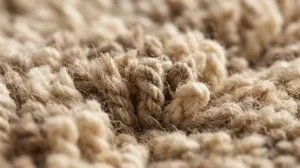
Not all wool is equal. New Zealand wool is prized for softness and resilience. Hand-knotted construction lasts longest but costs most. Hand-tufted wool costs less but sheds more at first. Machine-made wool offers the best price and still beats synthetics on lifespan. Check the label for the wool percentage before you pay wool prices.
Narrow Runner Rug
A narrow runner rug, usually 2 ft (61 cm) wide, fits halls around 3 ft (91 cm) across. In wool, narrow widths cost less per piece, which makes them a smart way to try wool. The tight fit also means less visible floor, so pick a color that flatters the flooring. Dark wool hides dirt best in tight, high-traffic passages.
20 Ft Runner Rug
A 20 ft (610 cm) runner rug covers hallways around 22 ft (6.7 m) long. At this length, wool’s weight becomes an advantage: the rug lies flat and stays put. Custom weavers handle 20 ft routinely, and a single piece looks far better than joined runners. Budget for professional delivery, since a 20 ft wool roll is heavy.
| Construction | Lifespan with care | Shed level | Price tier |
|---|---|---|---|
| Hand-knotted wool | Decades, repairable | Low after settling | Premium |
| Hand-tufted wool | 10 to 15 years | Moderate at first | High |
| Machine-made wool | 10 to 20 years | Low | Mid to high |
| Wool blend | 8 to 15 years | Low | Mid |
| Wool flatweave | 15+ years | Very low | Mid to high |
So is wool worth the premium? For a hallway you walk daily, yes: the fiber’s spring and soil-hiding earn it. For a rarely used guest hall, a blend gives you the look for less. The Rug Maker’s wool versus synthetic comparison breaks down durability and cleaning differences in detail.
Style and Colour Matching
Wool takes dye beautifully, which is why wool runners offer the richest colors. Traditional Persian-style patterns are the classic wool look. Modern wool runners come in geometrics and solids with subtle texture. In hallways, medium tones and busy patterns hide the traffic lane that forms down the center.
6 Ft Runner Rug
A 6 ft (183 cm) wool runner suits entries, kitchen galleys, and bedside landings. At this shorter length, you can afford a nicer construction per foot. A 2′ × 6′ (61 × 183 cm) hand-knotted runner makes a striking entry statement. Keep the pattern bold at this size, since small rugs need visual weight to anchor a space.
Match wool’s warmth to the room. Wool’s natural texture softens modern hard-edged halls and complements traditional woodwork. If the hallway gets little natural light, choose a mid-tone rather than dark wool to avoid a tunnel effect. Our Home Decor Products & Furnishings pillar covers coordinating runners with your wider decor.
Price Guide and Where to Buy
Wool runner prices reflect fiber quality and construction. Machine-made wool runners cost several times more than synthetic runners in the same size. Hand-knotted pieces cost several times more again. Wool blends sit between, offering the smartest price-to-performance ratio for most households.
Non Slip Carpet Runners
Wool runners rarely include built-in non-slip backing, so budget for a separate rug pad. A felt-and-rubber pad adds cushion, stops sliding, and protects both the rug and the floor. Thin pads suit low-clearance doors. Replace the pad when it flattens, since a dead pad lets the runner creep and wrinkle.
| Runner size | Wool blend | Machine-made wool | Hand-knotted wool |
|---|---|---|---|
| 2′ × 6′ (61 × 183 cm) | $80–$180 | $150–$300 | $300–$800 |
| 2.5′ × 8′ (76 × 244 cm) | $120–$250 | $200–$450 | $500–$1,200 |
| 2.5′ × 12′ (76 × 366 cm) | $200–$400 | $350–$700 | $900–$2,000 |
Buy wool from sellers who state the fiber content and country of origin. Reputable rug stores and established online specialists list knot counts or pile specs. Avoid vague “wool-like” or “wool feel” labels at wool prices. Read return policies carefully, since colors vary between dye lots. When you stock up on cleaning supplies, choose a stain remover for clothes that is explicitly labeled safe for wool — many general-purpose removers contain oxygen brighteners that damage natural fibers. For kitchen runners in easier fibers, see Kitchen Runner Rugs: What to Buy, What to Skip.
Care, Cleaning and Longevity
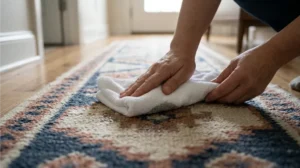
Wool needs regular vacuuming and fast spill response. Vacuum weekly with suction only, since beater bars can fuzz the pile. Rotate the runner end to end every few months for even wear. Wool naturally repels dry dirt, so it often looks cleaner than it is: vacuum anyway. If you’re dealing with an unexpected spill, our step-by-step guide on how to remove stains from carpet walks through fibre-safe blotting methods that work on wool pile.
Clean wool runners with this routine.
- Blot spills at once. Press a clean white cloth onto the spill. Work from the edge inward. Never rub, which pushes the stain deeper.
- Use wool-safe cleaner only. Mix a drop of mild detergent in cool water, or use a cleaner labeled safe for wool. Test it on a hidden corner first.
- Rinse without soaking. Dab with a cloth dampened in plain cool water. Wool must never sit wet, so use as little liquid as possible.
- Dry flat with airflow. Lay the runner flat in a ventilated room. A fan speeds drying. Never use heat, which can shrink and stiffen wool.
- Call a pro for set stains. Grease, wine, and pet stains that survive home treatment need professional wool cleaning. Don’t escalate with stronger chemicals.
Katamats notes that wool absorbs liquid fast, so speed matters more than strength of cleaner. Rug’Society points out that dark wool rugs hide dirt efficiently in high-traffic halls. Read their piece on why wool rugs are worth it for the long-term case. For high-traffic hallways, we recommend booking professional cleaning once a year — a certified cleaner can deep-clean without the soaking risk that comes with DIY steam machines.
What NOT to Do With Carpet Runners Wool Rugs
Don’t machine wash wool, ever. Agitation and heat felt the fibers into a stiff, shrunken mat. Don’t use bleach, oxygen brighteners, or hot water on wool. Also Don’t steam clean wool runners yourself; the excess moisture invites shrinkage and mildew in the backing.
Don’t place wool runners in damp spots like basements or covered porches. Also Don’t ignore moth risk in storage: wrap clean wool in breathable fabric with cedar, never plastic. Don’t drag heavy furniture across wool; lift it to avoid stretching the weave. Wool forgives a lot, but not these mistakes. Set wine stains are one of the toughest problems on wool — see our breakdown of removing dried red wine stains before you reach for a stronger chemical.
Final Thoughts
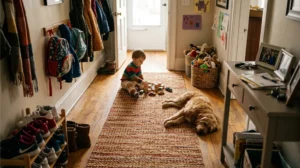
Wool runners are an investment, not a purchase. Size carefully, pick a dense low pile for halls, and treat spills like emergencies. If your hallway faces daily mud and chaos, a washable synthetic may serve you better today. Compare both paths in Kitchen Runner Rugs: What to Buy, What to Skip. Our Area Rugs by Size, Shape & Room hub covers the rest.
Before you start
Tick these off as you gather them — nothing here is specialised.
0 of 7 ready · Ticks are for this visit only and aren't saved.
damp basements or bathrooms, where wool absorbs moisture and stays musty. Skip light-colored wool in muddy entries. Never machine wash a wool runner or use bleach and hot water on it. Don't place wool runners where pet accidents go untreated, since set stains need professional care.
Common questions
Are wool runner rugs good for hallways?
Yes, wool is one of the best hallway fibers. Its fibers spring back from compression, so the pile keeps its texture under daily feet. Lanolin gives natural resistance to water-based spills. Dark or patterned wool hides dirt well. Just keep wool out of wet entries, vacuum weekly, and blot spills fast for the best results.
Do wool runners shed?
Most wool runners shed loose fibers for the first few weeks, especially hand-tufted ones. This is normal and fades with regular vacuuming. Flatweave and machine-made wool shed least. If shedding continues past two months, the rug may be low quality. Never pull loose tufts; trim them flush with scissors instead.
Wool vs synthetic runner: which lasts longer?
Wool lasts longer with proper care. Quality wool runners serve 10 to 20 years, while synthetics typically need replacing sooner under the same traffic. Nylon is the toughest synthetic and comes closest. Wool also repels dry soil naturally, so it looks cleaner between vacuums. The trade-off is higher cost and fussier stain care.
Can you machine wash a wool runner rug?
No, never machine wash wool. The agitation, heat, and detergent felt the fibers, causing shrinkage and stiffness that can't be reversed. Spot clean with cool water and wool-safe cleaner, then dry flat with airflow. For all-over cleaning, hire a professional who handles wool. Washable rugs exist, but they're synthetic by design.
How do you clean a wool runner rug?
Vacuum weekly with suction only and blot spills immediately with a clean white cloth. For spots, use cool water with a drop of mild detergent or a wool-safe cleaner. Test it first on a hidden corner. Rinse by dabbing with plain water and dry flat with a fan. Book professional cleaning yearly for high-traffic wool runners.
Do wool rugs work with pets?
They can, with caveats. Wool's springy fibers resist crushing from pet traffic, and dark patterns hide hair. But pet stains need fast treatment, and wool can't be machine washed after accidents. A wool blend with synthetic fiber handles pet homes better than pure wool. Keep a washable runner at the door pets use most.
What is a wool blend runner?
A wool blend runner mixes wool with synthetic fibers, often 80% wool and 20% nylon. The wool provides warmth, bounce, and rich color; the synthetic adds stain resistance and durability while cutting cost. Blends suit busy family hallways where pure wool feels too precious. Check the label for exact percentages before buying.
How long do wool runners last?
A quality wool runner lasts 10 to 20 years with regular vacuuming and prompt stain care. Hand-knotted wool rugs often become heirloom pieces lasting decades and can be repaired and rewoven. Wool blends last slightly less. Lifespan depends on traffic, sunlight, and cleaning habits more than on the price tag alone.
What width is a narrow runner rug?
A narrow runner rug is typically 2 ft (61 cm) wide, sometimes 26 inches (66 cm). It fits hallways around 3 ft (91 cm) wide with a slim floor border each side. Narrow wool runners cost less per piece, making them a good entry point to wool. They also suit galley kitchens and the space beside a bed.
Are 3x5 washable rugs a good alternative to wool?
For different jobs, yes. A 3 × 5 ft (91 × 152 cm) washable rug suits entries and kitchens where spills are constant. It goes straight in the machine. Wool can't match that convenience. But washable synthetics feel thinner and wear faster than wool. Many homes use both: washable at the messy door, wool in the main hall.
Was this article useful?