A spot remover for clothes can save a favorite shirt from a coffee spill. It can rescue a toddler’s craft project gone wrong. But grab the wrong product, and you’ll set that stain forever.
This guide walks you through every stain type. You’ll learn fabric considerations and safety warnings too. By the end, you’ll know exactly what to reach for.
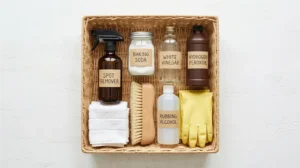
Before You Start: Essential Checklist
- Liquid laundry detergent (enzyme based works best)
- White vinegar (5% acetic acid concentration)
- Baking soda (sodium bicarbonate)
- Hydrogen peroxide (3% solution)
- Rubbing alcohol (70% isopropyl)
- Clean white cloths or paper towels
- Soft bristle toothbrush
- Rubber gloves
- Spray bottle for DIY solutions
- Fabric care labels reference
What Spot Remover for Clothes Really Means for Your Home
A spot remover for clothes is any product or solution that lifts localized stains from fabric. You use it before a full wash cycle or instead of one. Unlike regular laundry detergent, spot removers pack concentrated surfactants, enzymes, or solvents. These ingredients break down specific stain compounds.
Sounds simple, right? Here’s the catch. A spot remover that works wonders on grease might do nothing for blood. Match the product to the stain type, and you’ll get results. Guess wrong, and you’ll push the stain deeper.
Key Takeaways: Match the spot remover to the stain type for best results. Cold water prevents protein stains from setting. Hot water works best for oil based and grease stains. Always test on a hidden seam before full application. Never mix bleach with ammonia or vinegar. Air dry stained items until you confirm the stain is gone.
The Core Options Compared
Spot removers fall into three categories. You’ve got commercial products, DIY solutions, and specialty treatments. Each one shines for different stain types and fabric sensitivities.
| Type | Best For | Cost Range | Fabric Safety | Effectiveness |
|---|---|---|---|---|
| Commercial sprays | Everyday food and drink stains | $5 to $15 (approx. £4 to £12) | Most fabrics | High |
| Commercial gels | Grease and oil stains | $8 to $20 (approx. £6 to £16) | Most fabrics | Very high |
| Powdered removers | Set in and heavy stains | $15 to $25 (approx. £12 to £20) | Washable fabrics only | Very high |
| DIY vinegar solution | Earth based stains | Under $3 (approx. £2) | Most fabrics | Moderate |
| DIY baking soda paste | Oil and protein stains | Under $2 (approx. £1.50) | Most fabrics | Moderate to high |
| Enzyme detergents | Biological stains | $10 to $18 (approx. £8 to £14) | All fabrics | High |
How to Take Off Glue from Clothes
Dealing with glue on carpet too? Check our guide on how to remove stains from carpet.
Glue removal depends on the adhesive type. Is it water based, solvent based, or cyanoacrylate? Water based craft glue lifts with warm water and detergent. Solvent based adhesives need rubbing alcohol or acetone. Super glue requires acetone or a specialized debonder.
Step by Step: Water Based Glue Removal
- Let the glue dry completely before attempting removal.
- Scrape off as much dried adhesive as possible with a dull knife.
- Soak the stained area in warm water for 30 minutes.
- Apply liquid laundry detergent directly to the remaining residue.
- Gently scrub with a soft toothbrush using circular motions.
- Rinse with warm water and check for remaining glue.
- Machine wash on the hottest setting safe for the fabric.
Step by Step: Super Glue Removal
- Apply acetone based nail polish remover to a cotton ball.
- Dab the glue residue gently until it softens.
- Peel away softened glue with a dull knife or fingernail.
- Repeat until all adhesive is removed.
- Wash the garment normally with detergent.
Safety Warning: Acetone dissolves acetate, triacetate, and some synthetic fabrics. Test on a hidden seam first. Work in a ventilated area and avoid contact with eyes.
How to Clean Rust from Clothes
Rust stains are iron oxide deposits. Regular washing won’t touch them. Chlorine bleach makes rust stains permanent, so never use it here. The best methods use mild acidic agents to dissolve the iron oxide.
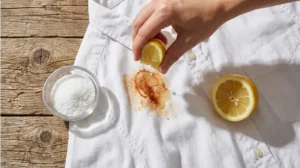
Step by Step: Lemon Juice and Salt Method
- Lay the stained garment flat on a clean surface.
- Squeeze fresh lemon juice directly onto the rust stain.
- Sprinkle table salt generously over the wet area.
- Allow the mixture to sit in direct sunlight for 30 to 60 minutes.
- Rinse thoroughly with cold water.
- Repeat if the stain persists.
- Wash as normal and air dry.
Step by Step: Commercial Rust Remover Method
- Wear rubber gloves and work in a ventilated space.
- Apply a small amount of rust remover to the stain.
- Let it sit for no more than one minute.
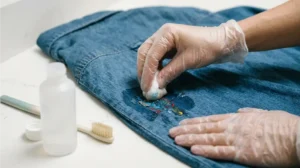
- Gently agitate with an old toothbrush.
- Rinse immediately with cold water.
- Wash the garment with detergent.
Safety Warning: Never use chlorine bleach on rust stains. The chemical reaction makes the stain permanent.
Costs, Timelines and Trade Offs
How much will this cost you? And how long will it take? Knowing both helps you pick the right method fast.
Typical Budget Ranges: DIY solutions cost $1 to $3 (approx. £1 to £2.50) per treatment. Commercial spray spot removers run $5 to $15 (approx. £4 to £12). Commercial gel spot removers cost $8 to $20 (approx. £6 to £16). Powdered professional removers are $15 to $25 (approx. £12 to £20). Enzyme based detergents range from $10 to $18 (approx. £8 to £14). Professional dry cleaning costs $8 to $20 (approx. £6 to £16) per garment.
Timeline Expectations: Fresh stains take 5 to 15 minutes of treatment plus a wash cycle. Set in stains need 30 minutes to overnight soaking plus a wash cycle. Dried paint or glue can take 1 to 24 hours depending on the method. Rust stains take 30 to 60 minutes with the natural method. A commercial rust remover works in 1 to 5 minutes.
Step by Step Decision Framework
How to Remove Stains from Clothes
For wine spills specifically, see our detailed guide on how to remove red wine from clothes.
Every stain removal job follows five stages. You identify, pre treat, wait, wash, and inspect. But the specifics change a lot based on the stain’s chemical makeup.
Step by Step: Universal Stain Removal Protocol
- Identify the stain type. Is it protein based (blood, dairy, egg), oil based (grease, makeup), earth based (wine, coffee, tea), or synthetic (ink, paint, glue)?
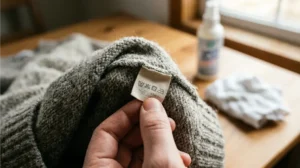
- Check the fabric care label. Look for washing temperature limits, bleach restrictions, and drying instructions.
- Test on a hidden area. Apply a small amount of your chosen treatment to an inside seam. Wait 5 minutes. Check for color bleeding or fabric damage.
- Blot, do not rub. Rubbing spreads the stain and pushes it deeper into fibers.
- Apply the appropriate treatment. Use the stain type specific method below.
- Wait the recommended time. Rushing this step reduces effectiveness.
- Wash according to the care label. Use the warmest temperature safe for the fabric.
- Inspect before drying. Heat sets stains permanently. If the stain remains, repeat treatment.
Stain Type Quick Reference: Protein stains like blood, egg, and dairy need cold water, enzyme detergent, and hydrogen peroxide. Oil stains such as grease, makeup, and butter respond to hot water, dish soap, and baking soda paste. Earth stains including wine, coffee, tea, and juice lift with vinegar solution and oxygen bleach. Ink stains come out with rubbing alcohol, hand sanitizer, or hairspray. Paint stains need rubbing alcohol for acrylic and turpentine for oil based. Rust stains yield to lemon juice and salt or a commercial rust remover.
How to Remove Acrylic Paint from Clothes
Acrylic paint dries fast and bonds strongly to fabric fibers. Acting quickly matters here. Once dried, acrylic paint requires solvent based treatment.
Step by Step: Wet Acrylic Paint Removal
- Remove excess paint with a spoon or dull knife. Do not rub.
- Rinse the stain from the back with cold water to push pigment out.
- Apply liquid laundry detergent directly to the stain.
- Gently massage the fabric to loosen the pigment.
- Rinse and repeat if needed.
- Wash on a normal cycle with warm water.
Step by Step: Dried Acrylic Paint Removal
- Scrape away loose dried paint flakes with a dull knife.
- Soak the area in warm soapy water for 15 to 30 minutes.
- Apply rubbing alcohol to a clean cloth and blot the paint stain.
- Saturate the stain thoroughly with the alcohol.
- Scrub gently with a soft brush until the paint lifts.
- Apply stain remover and wash on the warmest safe setting.
Safety Warning: Rubbing alcohol is flammable. Keep away from open flames and work in a well ventilated room. Never use turpentine or white spirit on delicate fabrics.
Expert Tips and Pitfalls
How to Remove Blood Stains from Clothes
Blood contains proteins that coagulate in hot water. That makes the stain permanent. Always use cold water for blood stains.
Step by Step: Fresh Blood Stain Removal
- Rinse the stain immediately under cold running water.
- Flush from the back of the fabric to push blood out of fibers.
- Rub bar soap into the stain and work it in with cold water.
- Apply hydrogen peroxide to a cloth and blot the stain.
- For heavy stains, soak in a small bowl of hydrogen peroxide.
- Apply enzyme containing laundry detergent.
- Wash in warm water with fabric safe bleach.
- Air dry and inspect before machine drying.
Step by Step: Dried Blood Stain Removal
- Mix baking soda with water to form a paste.
- Apply the paste generously to the dried stain.
- Let it sit for at least 30 minutes.
- Gently scrub with a soft toothbrush.
- Rinse with cold water.
- Apply enzyme detergent and wash as normal.
Safety Warning: Hydrogen peroxide can bleach colored fabrics. Test on a hidden area first. Never use hydrogen peroxide on silk or wool.
How to Remove Ink Stains from Clothes
Ink contains pigments and binding agents designed to bond permanently. Rubbing alcohol is the most effective household solvent for ink stains.
Step by Step: Rubbing Alcohol Method
- Place a paper towel underneath the stained area.
- Apply 90% rubbing alcohol to a cotton ball.
- Blot the ink stain gently. Do not rub.
- Replace the paper towel as ink transfers onto it.
- Continue until no more ink transfers.
- Rinse with cool water.
- Apply pre wash stain remover.
- Wash on the hottest setting safe for the fabric.
Alternative: Hairspray Method
- Spray aerosol hairspray directly onto the ink stain.
- Let it sit for 10 minutes.
- Blot with a clean cloth.
- Wash in the hottest water safe for the fabric.
Safety Warning: Rubbing alcohol is flammable and can damage acetate fabrics. Work in a ventilated area and keep away from heat sources.
For more on pen stains, read our article on how to remove ball pen stains from clothes.
What NOT to Do When Using Spot Remover
Mistake 1: Using Hot Water on Protein Stains. Hot water coagulates proteins in blood, dairy, and egg stains. This makes them permanently bond to fabric fibers. Always use cold water for protein based stains.
Mistake 2: Mixing Bleach with Ammonia or Vinegar. Mixing chlorine bleach with ammonia produces chloramine vapors. These vapors cause severe respiratory damage. Never mix these chemicals. Work in a ventilated area when using any bleach product.
Mistake 3: Rubbing Instead of Blotting. Rubbing spreads the stain sideways and pushes it deeper into the fabric weave. Always blot from the outside of the stain inward.
Mistake 4: Drying Before the Stain Is Gone. Heat from a dryer sets stains permanently. Always air dry stained items until you confirm the stain is completely removed.
Mistake 5: Using the Wrong Product on Delicate Fabrics. Silk, wool, leather, and acetate require specialized care. Acetone dissolves acetate. Bleach damages wool and silk. Always check the care label and test on a hidden area.
Mistake 6: Skipping the Patch Test. Even “color safe” products can cause bleeding on certain dyes. A 5 minute patch test on an inside seam prevents irreversible damage.
Long Term Prevention Guide
Daily Habits: Treat stains immediately when they occur. Blot spills with a clean cloth rather than rubbing. Keep a travel sized spot remover in your bag. Avoid wearing light colored clothing during messy activities.
Weekly Maintenance: Check all garments before washing for hidden stains. Pre treat visible stains before adding to the laundry basket. Sort laundry by color and fabric type to prevent dye transfer. Clean your washing machine monthly to remove residue.
Monthly Deep Care: Review your spot remover supplies and replace expired products. Check fabric care labels on frequently worn items. Organize a stain emergency kit with all essential supplies. Test new spot removal methods on old rags before using on clothing.
Storage Tips: Store spot removers in a cool, dry place away from direct sunlight. Keep products out of reach of children and pets. Check expiration dates on hydrogen peroxide and enzyme products. Use airtight containers for DIY powder mixes.
Authoritative Sources
- The Cleaning Institute — Stain Removal Guide: Industry standard protocols for fabric care and stain treatment.
- Good Housekeeping Institute — Expert tested methods for blood stain removal and fabric safety.
- Clorox — Care label guidance and bleach safety warnings for different fabric types.
- Vogue — Textile care expertise from fashion designer Courtney Barriger on ink stain chemistry.
Final Thoughts
A spot remover for clothes is only as good as the method behind it. Match the treatment to the stain chemistry. Respect the fabric’s limits. Always test before you treat. With the right approach, even the toughest stains become manageable.
Remember the three golden rules. Cold water for proteins. Hot water for oils. Never dry until the stain is gone. Keep a well stocked stain kit, act quickly, and when in doubt, call a professional cleaner before risking damage to a beloved garment.
Before You Start: Essential Checklist
Gather these basic supplies before you tackle any stain. You probably have most of them at home already.
0 of 10 ready · Ticks are for this visit only and aren't saved.
Never mix bleach with ammonia or vinegar. Work in a ventilated area when using any bleach product. Always test on a hidden seam first.
Common questions
What is the best spot remover for clothes?
The best spot remover depends on the stain type. Enzyme based detergents work best for protein stains like blood and dairy. Oxygen bleach products handle earth based stains like wine and coffee. Solvent based removers are necessary for ink, paint, and glue. For a general purpose option, an enzyme containing liquid detergent applied directly to the stain before washing is highly effective across multiple stain categories. For a full breakdown of commercial options, check our guide to stain remover for clothes.
How do you use spot remover on clothes?
Apply the spot remover directly to the stain using a spray, gel, or liquid applicator. Gently work it into the fabric with a soft brush or your fingers. Let it sit for 5–15 minutes. Blot with a clean cloth, then wash according to the garment's care label. For set in stains, allow the product to sit for 30 minutes or overnight before washing.
Can I make my own spot remover at home?
Yes. Mix 2 ounces (60ml) of dishwashing detergent, 2 ounces (60ml) of white vinegar, and 2 ounces (60ml) of water for earth based stains. For oil based stains, create a paste with baking soda and water. For protein stains, use cold water with a small amount of enzyme detergent. These DIY solutions cost under $3 (approx. £2) per treatment.
Does spot remover work on old stains?
Old, set in stains often require multiple treatments or stronger methods. Oxygen bleach soaks, overnight enzyme treatments, or professional dry cleaning may be necessary. Never dry an item with a remaining stain, as heat makes removal nearly impossible. Repeat the treatment process until the stain lifts completely.
What should I do if spot remover doesn't work?
If a stain persists after treatment, try a different approach. Protein stains may need longer enzyme exposure. Oil stains may require a degreaser. Ink stains may need higher concentration rubbing alcohol. If all household methods fail, consult a professional dry cleaner before attempting harsh chemicals.
Is spot remover safe for all fabrics?
Not all spot removers are safe for all fabrics. Chlorine bleach damages wool, silk, mohair, and spandex. Acetone dissolves acetate and triacetate. Hydrogen peroxide can bleach colored fabrics. Always check the garment's care label and test any product on a hidden seam before full application.
How long should spot remover stay on clothes?
Most commercial spot removers require 5–15 minutes of contact time. Enzyme based products may need 30 minutes. For set in stains, overnight treatment is most effective. Never let a product dry on the fabric, as this can damage fibers or leave residue. Follow the manufacturer's instructions for specific timing.
Can spot remover damage clothes?
Yes, if used incorrectly. Harsh chemicals can weaken fibers, cause color loss, or create holes in delicate fabrics. Chlorine bleach damages protein fibers like wool and silk. Acetone dissolves acetate. Always test on a hidden area and use the mildest effective method first.
What is the difference between spot remover and stain remover?
Spot removers target localized, fresh stains with concentrated formulas applied directly to the affected area. Stain removers are broader products added to the wash cycle or used as pre treatments for larger areas. Spot removers often contain solvents for specific stain types, while stain removers typically use enzymes or oxygen bleach for general use.
Should I use hot or cold water with spot remover?
Use cold water for protein stains (blood, dairy, egg) to prevent coagulation. Use warm or hot water for oil based and grease stains to help dissolve the oils. Earth based stains respond to warm water. Always check the fabric care label for maximum temperature limits before washing.
How do you remove rust stains from white clothes?
For white cotton or linen, apply lemon juice and salt to the rust stain. Place the garment in direct sunlight for 30–60 minutes. Rinse thoroughly. Alternatively, use a commercial rust remover for 1 minute, then rinse immediately. Never use chlorine bleach, as it makes rust stains permanent.
What removes ink stains from clothes?
Rubbing alcohol (70–90% isopropyl) is the most effective household solvent for ink. Apply it to a cotton ball and blot the stain until no more ink transfers. For stubborn stains, use a baking soda paste or aerosol hairspray. Hand sanitizer containing alcohol also works for small ink marks.
Was this article useful?