You can keep your beloved clothes out of the trash by learning how to remove marker stains from clothing. Marker ink uses pigment and glue to attach itself to cloth fibers. Heat and time strengthen that relationship. Almost any cloth can be removed by acting quickly with the appropriate solvent. This manual includes tried-and-true techniques for dried stains, permanent markers, and washable markers.
Get the appropriate tools for the sort of fabric you’re working with before you start. Having everything prepared prevents panic attacks and careless errors.
Prior to Beginning: Equipment and Setup
Before you come into contact with the stain, gather these materials. These products are worth having on hand because many of them are similar to what you’d need to remove ball pen stains from clothing.
Checklist for Tools and Materials
- Isopropyl alcohol (rubbing alcohol, at least 70%)
- White vinegar
- Baking soda
- Dish soap in liquid form
- Paper towels or fresh white cloths
- Cotton pads or balls
- An outdated toothbrush
- Acetone-based nail polish remover (only for white cotton)
- Hairspray (alcohol-based aerosol)
- Alcohol-based hand sanitizer
- Gloves made of rubber
- A well-ventilated work area
Time, Expense, and Challenges
Most fresh stain procedures take 15 to 30 minutes. Repeated applications and soaking for one to two hours may be necessary for dried stains. If you already have some essential household things, the cost is very low. Any pharmacy will sell rubbing alcohol for less than $3. Pantry essentials include vinegar and baking soda. Washable markers are easy to use, whereas permanent markers on delicate textiles are quite difficult.
Safety Inspections
When using ammonia, acetone, or rubbing alcohol, work in an area with good ventilation. Fumes are released by these solvents. Bleach should never be combined with vinegar or ammonia. Hazardous gasses are produced by this combination. Put on rubber gloves to keep your skin safe. All solvents should be kept away from open flames. Alcohol used for rubbing is extremely flammable. First, test each solvent on a discrete area. This covers the insides of collars, hems, and inside seams. After testing, wait five minutes. Before continuing, inspect for fabric damage or fading of color.
The Reasons Behind the Persistence of Marker Stains
Three essential ingredients make up marker ink: a resin that attaches the pigment to surfaces, a solvent that keeps the ink liquid, and a pigment for color. The issue is the resin. When dried, it creates a layer that is impervious to water. Pigment is deeply locked into cloth fibers by this coating. Compared to washable markers, permanent markers employ stronger polymers. Water cannot lift them on its own because of this. The resin is dissolved using alcohol-based solvents. The pigment can be removed once the resin degrades.
Everything is different depending on the type of fabric. Pigment is easily trapped by the rough fibers of cotton and linen. Smooth fibers in synthetic materials, such as polyester, facilitate easier ink release. Strong solvents can harm delicate materials like wool and silk. Prior to addressing any stain, always read the care label. Our tutorial on how to remove oil stains from clothing breaks down fiber-specific behavior in detail for a more in-depth look at how various fabrics respond to stains.
Checklist for Tools and Materials
The Best Tool for Cautions
- Alcohol rubbing (70%+)Ballpoint ink and permanent markers are flammable; check for colorfastness
- White vinegar, mild stains, and a washable markerMild; suitable for the majority of textiles
- Paste made of baking sodaFabric refresh, dried stains, mild abrasive, color-safe
- Acetone-based nail polish removerWhite cotton with a permanent markerdamages synthetic materials but never acetate
- Aerosol hairsprayDelicate materials and light ink stainsTest first since alcohol content varies.
- New marker stains and hand sanitizerAlcohol-based and transportable
- Pre-treatment degreaser, dish soap, washable marker, and safe for the majority of textiles
Variations in Methods by Severity
Not every ink stain is created equal. A new mark requires tact. More strength is required for a set-in stain. For optimal outcomes, match your approach to the severity.
Fresh, Washable Marker for Mild Stains
Water-soluble dyes are used in washable markers. They are the simplest to get rid of. For optimal effects, take action within the first hour. When removing red wine from clothing, the same methodical, delicate approach is effective.
- To get rid of extra ink, blot the stain using a fresh white towel. Avoid rubbing.
- Combine two cups of cold water with one spoonful of liquid dish soap.
- For fifteen minutes, soak the stained area in the soapy solution.
- To release the pigment, gently press the fabric together.
- Check the stain after rinsing with cold water.
- If necessary, repeat, then wash as normal.
Moderate Stains (New Permanent Marker)
A solvent is needed for permanent markers. The best home remedy is rubbing alcohol. Use 91% isopropyl alcohol for optimal effects. Resin dissolves more quickly at increasing concentrations.
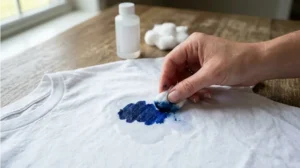
- Use rubbing alcohol to soak a cotton ball.
- Gently dab the stain, starting from the periphery and working your way in. This stops the spread.
- As soon as the cotton ball begins to absorb ink, replace it. Pigment is redeposited by using a soiled cotton ball.
- Until no more ink is transferred to the cotton ball, keep dabbing.
- Use cold water to rinse the area.
- Work a tiny bit of liquid dish soap into the fabric.
- Follow the care label while washing the clothing.
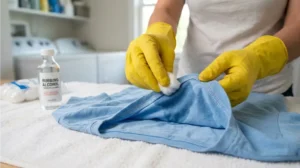
Apply rubbing alcohol directly to stains that are difficult to remove. Give it five minutes to sit. Use a fresh cloth to blot. Up to three times, repeat.
Use aerosol hairspray or hand sanitizer if rubbing alcohol isn’t available. Marker resin is dissolved by the alcohol in both. Apply liberally or spray. Give it three minutes to sit. Rinse and blot.
Dried Permanent Marker for Severe Stains
After being washed, dried stains require patience. The glue is put deeper into the fibers by the heat from washing and drying.
- For half an hour, soak the stain in rubbing alcohol.
- Apply a paste made of three parts baking soda and one part water.
- Give the paste fifteen minutes to sit.
- Use an old toothbrush to gently scrub.
- Use cold water to rinse.
- Up to four times, repeat the alcohol treatment.
- In between treatments, let it air dry.
Until the stain is entirely removed, do not place the clothing in the dryer. Marker stains are permanently fixed by heat. Air drying is essential. In the dryer, even a tiny bit of leftover ink will permanently set. Before drying, examine the stain under a bright light. Repeat the treatment if you notice any color at all.

Details of the Surface and Material
Which procedure is safe depends on the type of fabric. Permanent harm might result from using the incorrect solvent on the incorrect fabric.
Cotton and linen: These sturdy materials work well with vinegar, baking soda paste, and rubbing alcohol. Using a toothbrush to gently scrub is safe.
Steer clear of acetone while using polyester and synthetics. Use only rubbing alcohol. Strong chemicals can damage synthetic fibers. Start with a test.
Use the most mild technique for silk and wool. a milk soak or diluted alcohol. Cleaning by professionals is the safest choice.
Denim: Alcohol rubbing is effective. Denim is long-lasting. Work the solvent into the stain with a gentle brush.
Avoid using water-based techniques for leather and suede. Use a cleaner designed specifically for leather. Start by testing in a secluded spot.
Errors That Destroy the Outcome
Using Inappropriate Chemicals
Bleach should never be used on marker stains. Bleach has the potential to set pigment and exacerbate stains. Over time, it also deteriorates cloth fibers. Never iron a discolored item of clothing using a hot iron. The ink is firmly bonded to the fabric by the heat. Never give the stain a rough scrape. Pigment is forced deeper into the fibers by rubbing. Blot at all times. See our article on clothing stain removal for safe substitutes.
Accelerating the Drying Process
Air drying is required. Until the stain is removed, the dryer is your adversary. Ink is permanently locked into fabric by heat. Before drying, examine the clothing in a bright light. Repeat the treatment if you notice any color at all.
Quicker Substitutes and Shortcuts
Easy Remedies for Typical Stains
Use a lot of hand sanitizer on the stain. Give it two minutes to sit. Rinse and blot. well with new stains.
Use hairspray to soak the stain. Give it three minutes. Use a fresh cloth to blot. ideal for light pen stains.
Soak the affected area in milk for half an hour. Use a gentle soap to rub. Rinse. ideal for delicate textiles.
WD-40: Apply a mist on the stain. Give it five minutes. Blot. To get rid of the WD-40 residue, wash with dish soap. works on durable fabrics with stubborn permanent marker stains.
Pro Choice
Set-in stains can be removed with commercial stain removers like Shout Advanced or OxiClean. Apply as directed on the package. These products are most effective when used as a post-alcohol treatment. The same rules hold true for tough stains on carpets or upholstery. Fiber-specific methods are covered in our carpet stain removal guide.
When to Consult an Expert
Certain clothes should be cleaned by a professional right away. Bring delicate materials to a specialist, such as silk, wool, cashmere, leather, and suede. Professional care is also necessary for expensive or vintage clothing. Professional solvents might be your only choice if the stain is extensive or has undergone numerous wash and dry cycles. Do-it-yourself techniques may permanently harm the cloth or set the stain.
Guide to Long-Term Prevention
Daily routine: Store markers away from fabric surfaces and keep them sealed. For kids’ art projects, use washable markers. During craft time, cover your clothing with something protective.
Weekly routine: After craft activities, check clothes. Any new stains should be treated right away. Stained things shouldn’t be left in the laundry basket for several days.
Monthly upkeep: Give your washing routine a thorough cleaning. Examine every clothing’s care labels. Replenish your stain removal kit with fresh white cloths, baking soda, and rubbing alcohol.
Parents should always have baby wipes available for last-minute cleanups. When creating art, wear a smock or an old shirt. Children should be taught to cap markers right away after using them.
Important Lessons
- The best household solvent for permanent marker stains is rubbing alcohol (70% or higher).
- Take quick action. Compared to dried stains, fresh stains are much simpler to remove.
- Prior to treating the primary stain, always test solvents on a discrete region.
- Never rub; always blot. Pigment is forced deeper into the fabric by rubbing.
- Just let it air dry. Marker stains are permanently established by the dryer’s heat.
- Silk and wool are examples of delicate materials that should be cleaned by a specialist.
- When alcohol is unavailable, vinegar, baking soda paste, and hand sanitizer work well as substitutes.
Before you start
Tick these off as you gather them — nothing here is specialised.
0 of 11 ready · Ticks are for this visit only and aren't saved.
Never use bleach or acetone on colored or synthetic fabrics. Always test on a hidden area first.
Common questions
How do you remove whiteboard marker stains from white tops?
Whiteboard marker ink is alcohol-based. Dab the stain with rubbing alcohol on a cotton ball. Work from the outside edges inward. Rinse with cold water. Apply dish soap and wash as usual. For white cotton, acetone-based nail polish remover also works.
Can permanent marker be removed from clothes after washing?
Yes, but it is harder. The heat from washing and drying sets the resin deeper into the fibers. Soak the stain in rubbing alcohol for 30 minutes. Apply a baking soda paste. Repeat the alcohol treatment 3 to 4 times. Air dry between treatments.
Does vinegar remove permanent marker from clothes?
Vinegar works on washable markers and light stains. It is less effective on permanent marker. For permanent marker, use rubbing alcohol as the primary solvent. Vinegar can be used as a final rinse to remove any residue.
Can I use hand sanitizer to remove marker stains?
Yes. Hand sanitizer contains alcohol that dissolves marker resin. Apply a generous amount to the stain. Let it sit for 2 to 3 minutes. Blot with a clean cloth. Rinse with cold water. It works best on fresh stains.
What removes permanent marker from fabric?
Rubbing alcohol (isopropyl alcohol) at 70% concentration or higher is the most effective household remover. For white cotton, acetone-based nail polish remover also works. Hairspray and hand sanitizer are good alternatives.
Does baking soda remove marker stains?
Baking soda is a gentle abrasive that helps lift pigment from fabric. Mix it with water to form a paste. Apply to the stain. Let it sit for 10 to 15 minutes. Gently scrub with a toothbrush. It works best as a follow-up after alcohol treatment.
How do you remove marker stains from clothes without rubbing alcohol?
Use hand sanitizer, hairspray, or white vinegar. For washable markers, cold water and dish soap work well. For permanent markers, hand sanitizer is the closest alternative to rubbing alcohol. Milk soaks also help with light stains on delicate fabrics.
Can you get Sharpie out of clothes after drying?
Yes, but it requires patience. Soak the stain in rubbing alcohol for 30 minutes. Apply a baking soda paste. Repeat the alcohol treatment multiple times. Do not use the dryer until the stain is completely gone. It may take 3 to 4 cycles.
What is the best method for removing marker stains from colored clothes?
Test all solvents on a hidden area first. Rubbing alcohol is safe for most colored fabrics after testing. Avoid bleach and acetone on colored garments. Use a color-safe pre-wash stain remover before washing.
Does hairspray remove ink stains from clothes?
Yes. Hairspray with high alcohol content dissolves ink. Spray generously on the stain. Let it sit for 3 minutes. Blot with a clean cloth. It works best on light ink stains and delicate fabrics. Always test first.
How long should you let rubbing alcohol sit on a marker stain?
Let it sit for 5 minutes for fresh stains. For dried stains, let it sit for 15 to 30 minutes. Blot and rinse. Repeat the process if needed. Do not let it evaporate completely before blotting.
What should you not use on marker stains?
Never use bleach. It can set the stain and damage fabric. Never use hot water or a hot iron. Heat bonds ink to fibers permanently. Never rub aggressively. Rubbing spreads the stain and pushes pigment deeper. Never use acetone on synthetic fabrics. It can melt the fibers.
Was this article useful?