Spilling your morning brew is frustrating. It happens to everyone eventually. You watch that dark liquid spread quickly. Panic sets in right away. Will this ruin your favorite white shirt? Can you save your expensive living room rug? Yes, you absolutely can fix this. You just need the right steps. Fast action makes a huge difference. This guide shows you exactly what to do. We cover clothes, carpets, and hard counters. You will learn simple methods using basic household items. Let’s fix that dark spot right now.
The Science Behind Coffee Spills
What makes these dark spots so hard to clean? The answer lies in natural plant compounds called tannins. Tannins act like heavy-duty natural dyes. They bind tightly to fabric threads instantly. This causes that familiar, ugly brown ring. Hot liquids make the situation much worse. Heat opens up the material fibers fully. The dark dye sinks deep inside the open threads. Black coffee is basically a weak natural dye. It acts fast on porous materials.
Add milk or cream, and the trouble multiplies quickly. Dairy brings heavy animal proteins and fats into the mix. Sugars leave a very sticky residue behind. Sticky spots trap even more dirt over time. This creates a dark, nasty patch. You need to break down these dairy proteins first. Only then can you tackle the dark tannin dye. This two-step process requires specific cleaning agents. Plain water simply will not do the trick.
You also need to understand the material itself. Cotton absorbs liquids like a dry sponge. Synthetic fibers repel water but hold onto oils tightly. Knowing your fabric helps you pick the best approach. A strong cleaner might save cotton but ruin silk entirely. Always check your fabric care tags before starting.
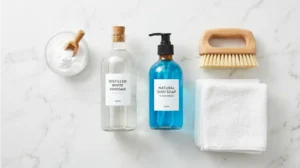
The Core Supply Checklist
Do not grab harsh chemicals right away. Basic pantry items usually do the trick perfectly. You likely have these sitting in your kitchen already. Having them ready saves precious time. Here is what you need to gather.
- Clean white towels: Always use white cloth so bright colors do not bleed.
- Cold water: Never use hot water on fresh dark spills.
- Liquid dish soap: This is great for breaking down thick dairy fats.
- White vinegar: A safe, mild acid to dissolve tough tannins.
- Baking soda: A gentle, natural abrasive for hard surfaces.
- Oxygenated bleach: A strong, bubbly option for older, set-in spots.
- Soft brush: An old toothbrush works nicely for gentle scrubbing.
Treating Fresh Spills on Clothing
Speed is your absolute best friend here. A fresh spill is highly treatable if you act fast. You must start before the liquid dries completely. Grab a clean cloth or paper towel immediately. Blot the wet spot very gently. Press straight down into the fabric with steady pressure. Do not rub side to side at all. Rubbing spreads the damage outward rapidly. It forces the dark liquid deeper into the threads.
Next, you need to flush the fabric out. Turn the shirt or pants completely inside out. Hold the fabric directly under a running faucet. Use only cold water for this step. Let the water run heavily through the back. This pushes the dye out of the front threads. Do not let the water hit the front first. That just forces the dye deeper inside.
Now, mix your cleaning solution in a small bowl. Add a few drops of dish soap to cold water. Gently sponge this soapy mix onto the wet spot. The soap cuts through any milk or cream fats. Keep blotting until the brown color fades away. Once it looks clean, wash the item normally. Need a reliable commercial option for regular washes? Find a high-quality stain remover for clothes to keep handy.
Always check the wet item before putting it in a dryer. A hot dryer acts like an oven. It bakes any remaining color into the shirt permanently. Let the item air dry first. Check it in natural sunlight to be sure.
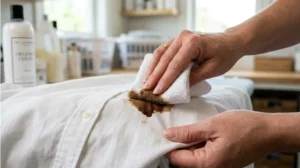
Dealing with Dried and Old Marks
Maybe you missed a drop during your morning commute. Now the spot is completely dry and stiff. Dried spots require a much different approach. The dark dye has bonded heavily with the material. You need to rehydrate the area fully first. White vinegar works perfectly for this job. It naturally breaks apart the dried organic tannins. It is a very safe household item for most fabrics.
Mix equal parts white vinegar and cold water together. Submerge the dirty part of the shirt in the bowl. Let it soak for at least thirty minutes. This gives the mild acid time to work. You should see the brown color start to loosen up. After the soak, grab a soft toothbrush. Gently tap the area to lift the loosened residue. Do not scrub hard or pull the threads.
Rinse the fabric heavily with cold water. If a faint spot remains, repeat the entire process. Stubborn spots test your patience quite a bit. Sometimes, you just need a little extra elbow grease. Wash the garment on a cold cycle afterward. Dealing with thick grease from heavy cream? The process is very similar to how to remove oil stains from clothes.
How to Clean Carpets and Rugs
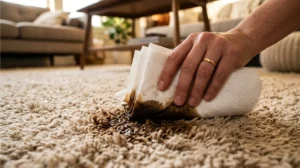
Dropping a full mug on the living room rug is awful. Carpets require strictly low-moisture cleaning methods. You cannot just soak a heavy rug in a sink. Too much water will ruin the thick padding underneath. Nasty mold can grow rapidly if it stays wet.
Start by soaking up the excess liquid right away. Press thick paper towels deep into the wet rug. Put your entire body weight into it. Keep changing the towels until they come up completely dry. Do not scrub the carpet fibers back and forth. Scrubbing untwists the delicate yarn completely. It creates a fuzzy, permanent bald spot on your rug.
Mix your carpet cleaner next. Combine cold water, liquid dish soap, and white vinegar. Dampen a clean white cloth with this special mix. Dab the spot starting from the outside edge. Work your way slowly into the center. This stops the brown ring from growing wider. Press a dry towel into the damp area next. You will see brown transferring to the dry towel. Repeat this blotting process patiently until the color vanishes.
Rinse with a lightly damp cloth afterward. You must remove all the soapy residue. Soap left behind attracts new dirt quickly. Let a fan blow over the wet patch to dry it. For broader advice on maintaining your floors, review how to remove stains from carpet.
Cleaning Bedding and Mattresses
Drinking your morning brew in bed feels luxurious. However, spilling it there is a huge headache. Mattresses are thick, heavy, and very hard to wash. Liquids soak deeply into the inner foam padding quickly. You must act fast to stop the spread.
Strip all the sheets and blankets off the bed immediately. Throw the bedding straight into the washing machine on cold. Now, focus entirely on the bare mattress. Grab dry towels and press down hard on the wet spot. Stand on the towels if you need more pressure. Pull as much moisture out of the foam as possible.
Do not pour water directly onto the mattress surface. Instead, make a dry foam using dish soap and water. Whip the soap with a sponge until thick suds form. Scoop only the dry suds onto the dark mark. Gently work the suds into the top fabric layer. Wipe away the dirty suds with a slightly damp cloth. This specialized low-moisture process is exactly how to clean a mattress safely.
Let the mattress air dry completely before making the bed. Point a room fan directly at the damp spot. Keep the windows open for good air flow. A damp mattress can easily develop musty odors.
Treating Delicate Fabrics Like Silk
Not all fabrics are tough, durable cotton. Fine silk and soft wool need very special care. You cannot use harsh brushing on these delicate items. White vinegar might even be too strong for silk dyes. You must be extremely gentle during every single step.
Take these expensive items to a professional dry cleaner if possible. They have the right gentle chemicals and proper training. If you must do it yourself at home, use baby shampoo. Mix a tiny drop of shampoo with cold water. Sponge it very lightly onto the delicate silk. Do not rub or pull the fragile fabric.
Rinse it by dabbing with a clean, damp cloth. Lay the garment flat on a dry towel. Roll the towel up gently to squeeze out the water. Never wring or twist wet silk tightly. Unroll it and lay it flat to dry completely. Treating delicate materials is always a tricky situation. It requires as much extreme care as figuring out how to remove red wine from clothes.
Fixing Hard Surfaces and Stone Tops
A clumsy morning spill often hits the kitchen counter. Modern counters actually absorb dark liquids very easily. Natural stone like granite or marble is highly porous. If left uncleaned, the brown liquid sinks right in. You must wipe it up immediately with a towel.
Never use white vinegar on a natural marble surface. Vinegar is highly acidic and very damaging to stone. It will eat away the shiny, polished finish quickly. It creates a dull, etched spot permanently. You need a gentle alkaline cleaner instead. Baking soda is your absolute best bet here.
Make a thick paste with baking soda and cold water. Spread it heavily over the dark ring on the counter. Cover the thick paste with a piece of plastic wrap. Tape the edges down securely to seal it. Leave it alone for a full twenty-four hours. The paste dries very slowly and pulls the liquid up. Wipe it away gently with a damp cloth later.
Cleaning Car Interiors and Seats
Cars get very messy during long morning commutes. Travel mugs leak easily over bumps and sharp turns. The fabric inside cars is usually quite tough. But it holds onto bad smells for a long time. Spilled milk sours quickly in a hot, closed car.
Use paper towels to blot the car seat immediately. Car seats have deep foam padding just like mattresses. Press hard to lift the liquid out of the foam. Mix warm water and a few drops of dish soap. Use a soft-bristled brush to gently scrub the fabric surface. Wipe away the dirty suds with a clean microfiber towel.
Leave the car windows rolled down to dry the seats. If the car smells sour later, use baking soda. Sprinkle dry baking soda heavily over the dry seat. Let it sit overnight to absorb the bad odors. Vacuum it all up thoroughly the next morning. Your car interior will smell fresh and look brand new.
Reviving Mugs and Thermoses
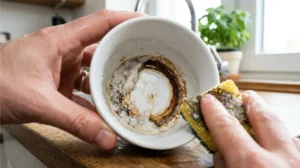
Do your favorite ceramic mugs have dark rings inside? Stainless steel travel thermoses get gross very quickly too. Regular dishwasher cycles often leave a brown film behind. This dark residue makes your fresh brew taste terribly bitter.
Baking soda works absolute wonders on dirty dishware. Sprinkle a heavy layer into the bottom of the wet mug. Scrub it firmly with a standard damp kitchen sponge. The baking soda provides a very mild friction. It scrapes away the dark residue without scratching the smooth ceramic.
For tall, deep thermoses, use plain denture cleaning tablets. Drop two tablets into warm water inside the metal flask. Let the mixture bubble and fizz overnight on the counter. Rinse it out thoroughly with hot water in the morning. Your travel thermos will look perfectly clean and shiny.
Common Mistakes to Avoid
People often make things much worse by panicking. Avoid these common cleaning blunders completely. The absolute biggest error is using hot water. People mistakenly think heat cleans everything better. This is completely false for organic tannin marks. Heat sets the natural dye permanently into the threads. Always stick strictly to cold or lukewarm water.
Do not rub the wet fabric together aggressively. Friction damages delicate clothing fibers heavily. It also pushes the spilled liquid sideways. Always blot straight up and down with steady pressure. Do not use plain bath soap on clothes either. Bar soap often sets tannin dyes permanently. Stick to liquid dish soap or proper laundry detergent instead.
Never throw stained clothes straight into a hot dryer. A hot dryer acts exactly like an oven. It bakes the brown color into the shirt forever. Let the wet item air dry fully first. Check the dry fabric in bright, natural sunlight. If it looks perfectly clean, then you can use the dryer safely.

Long-Term Prevention Tips
Stopping accidental spills is obviously the best overall strategy. Small daily habits save your nice clothes and expensive rugs. Always use travel mugs with secure, locking lids. Do not walk around the house with open ceramic cups. A tight seal stops sudden splashes easily.
Treat your living room sofas with commercial fabric protectors. These handy sprays build an invisible shield over the threads. Liquids will simply bead up on top of the fabric. This gives you plenty of time to grab a towel. Reseal your natural stone kitchen counters once a year. A good stone sealer blocks the tiny microscopic pores. It stops dark liquids from sinking deep inside the rock.
Key Takeaways: Always act fast when a spill happens. Stick strictly to cold water. Never rub the wet fabric. Treat dairy spills with strong enzymes first. Protect your stone counters from acidic cleaners. With these tips, you can save your favorite items easily.
Essential Coffee Stain Removal Toolkit
Before you tackle that dark spot, gather these basic household supplies. Having your tools ready right away stops the spill from drying and setting permanently into the material.
0 of 6 ready · Ticks are for this visit only and aren't saved.
Delicate fabrics (like silk, wool, or suede) and natural stone countertops (like marble or granite) if your cleaning mixture contains white vinegar, as the mild acid can cause permanent damage or etching.
Common questions
Does vinegar remove these dark spots safely?
Yes, standard white vinegar works extremely well for this. It breaks down the organic plant tannins very easily. Its natural acidity dissolves dark dyes safely. Mix equal parts white vinegar and cold water together. This makes a highly effective pre-treatment soak. It is perfect for treating sturdy, colorfast shirts and pants.
Will hot water remove the mark faster?
No, hot water makes the damage much worse. High heat opens up the material fibers very widely. It permanently bakes the dark dye inside the threads. You must always use cold water for these specific spills. Keep hot water far away from fresh dark marks.
How do you get dried spots out of clothes?
You must always rehydrate the dry area first. Soak the dirty shirtin cold water and white vinegar. Let it sit for at least thirty full minutes. Next, apply a very gentle liquid laundry detergent. Wash the item on a standard cold cycle immediately.
Can baking soda fix old spots on counters?
Baking soda lifts old marks from hard surfaces easily. It works great on thick living room carpets too. Mix it with cold water to form a thick paste. It acts as a very gentle, safe abrasive cleaner. It naturally pulls trapped moisture up out of porous materials.
What is the absolute best home remedy?
Liquid dish soap and cold water work the best. This incredibly simple mix handles most fresh spills easily. For tougher spots, just add a little white vinegar. This combination creates a strong, safe tannin-fighting solution. These basic pantry items are safe for most washable fabrics.
How do I fix my dirty living room carpet?
Blot the wet rug firmly with heavy paper towels. Absorb as much dirty liquid as you possibly can. Sponge the area lightly with soapy water and vinegar. Blot it dry repeatedly with a clean white cloth. Rinse with plain cold water to remove the sticky soap.
Does hydrogen peroxide help with white shirts?
Hydrogen peroxide clears dark marks from white clothing easily. It acts as a very mild, safe bleaching agent. It breaks down dark plant pigments very quickly. Always test it on a hidden hem first. You want to ensure it will not bleach the actual color.
How do I treat bright white cotton shirts?
Oxygenated bleach powder delivers the best overall results here. Mix the dry powder with warm water to create a paste. Apply it directly over the ugly brown spot. Let it sit for roughly fifteen minutes total. Wash normally with your regular natural laundry detergent afterward.
How do you treat spills with milk or heavy cream?
Dairy requires a completely different cleaning approach. Milk contains heavy animal proteins and thick fats. You must use a strong enzyme-based laundry detergent. Liquid dish soap also cuts through dairy fats very well. Break down the sticky proteins before treating the dark dye.
Does dish soap actually work well?
Yes, standard liquid dish soap is highly effective. It easily lifts dark liquids from clothing and heavy upholstery. It is specially formulated to lift grease and organic matter. Mixing a few drops with cold water is very safe. It makes an excellent, cheap spot treatment for emergencies.
Was this article useful?